(480) 699-7999 Book Your Appointment

Chemical Peel

Our professional Chemical Peel treatments use advanced exfoliating solutions to remove dead skin cells, reduce discoloration, and improve texture. Each treatment is tailored to your skin type and goals, revealing refreshed, radiant skin with a healthy, youthful glow.

Smiling Scottsdale chemical peel woman with long hair and elegant earrings.

Reveal Fresh, Radiant Skin

Chemical Peels at Blume Skin & Body

Over time, skin can look tired, uneven, or weighed down by imperfections. Professional chemical peels use carefully selected exfoliating solutions to improve skin texture, tone, and clarity. Depending on the type and strength of the peel, treatment may address dullness, clogged pores, sun damage, uneven pigmentation, fine lines, and certain acne scars. At Blume Skin & Body, each treatment is selected according to your skin type, concerns, medical history, and tolerance for downtime. The goal is controlled exfoliation that leaves your skin looking clearer, smoother, and refreshed.

Treatment Time

30–60 minutes

Downtime

Minimal flaking to approximately one week, depending on peel depth

Results

Smoother, clearer, more even-looking skin

Best For

Uneven skin tone, sun damage, acne, mild scarring, fine lines, and rough texture

Treatment areas

Commonly the face, with other areas considered when appropriate

Treatment plan

One peel or a series based on your skin and goals

Abstract red fabric with soft folds and shadows.

The Power of a Peel

What Are Chemical Peels?

Dead skin cells naturally collect along the outermost layer of your skin. That buildup can contribute to a dull complexion, rough skin, clogged pores, and uneven tone. Acne, aging, environmental exposure, and the strong Scottsdale sun can make these changes more noticeable.

A chemical peel loosens damaged skin cells with a professionally applied chemical solution. As the treated skin sheds and heals, it reveals new skin beneath the surface. Some patients want a light chemical peel that provides a quick refresh with little visible peeling. Others may benefit from a stronger treatment for more noticeable pigmentation, mild scarring, or fine lines.

Your Blume provider will evaluate your skin before recommending the most suitable peel. This allows us to balance the improvement you want with the recovery time that works for your schedule.

Controlled Exfoliation, Carefully Chosen

What Types of Chemical Peels Do We Offer?

Chemical peels are categorized as light, medium, or deep. The intensity of the peel determines how far the solution penetrates, how much peeling occurs, and how long recovery takes.

Light or Superficial Peels

Superficial peels exfoliate the epidermis, which is the outer layer of skin. They can help improve mild acne, clogged pores, dullness, early fine lines, uneven skin tone, and light sun damage. A light peel may also soften mild scarring or fade post-inflammatory hyperpigmentation left behind after a breakout.

Light peels generally involve little downtime. Your skin may feel tight or dry and develop mild flaking over the next few days. Some superficial peels cause little visible shedding at all. Because they work gently, a series of light peels may be recommended for progressive improvement.

Medium-Depth Peels

A medium chemical peel works through the epidermis and reaches the upper part of the dermis beneath it. Medium peels may be appropriate for more visible hyperpigmentation, moderate lines, sun spots, and shallow acne scars. These treatments produce more noticeable peeling and require a longer recovery.

Deep Chemical Peels

Deep peels reach farther into the middle layer of skin and may address severe sun damage, deeper wrinkles, or certain deep scars. Phenol, also called carbolic acid, is one chemical associated with deep resurfacing. A deep chemical peel is significantly different from the lighter peels commonly performed in a medical spa.

It involves substantial recovery, intensive aftercare, and greater risks of infection, scarring, and permanent changes in skin color. Deep peels require appropriate medical oversight and may be performed by a board-certified dermatologist, dermatologic surgeon, or plastic surgeon.

White textured background with leaf patterns.

From Uneven to Smoother Texture

What Conditions Do Chemical Peels Address?

The concerns a peel can improve depend on the solution and treatment depth.

Sun Damage and Uneven Skin Tone

Chemical peels can fade the appearance of age spots, sun spots, freckles, and areas of superficial discoloration by removing damaged skin cells. They may also make the overall skin color appear more even.

Acne and Congested Pores

Light peels can help manage some forms of acne by removing dead skin buildup and reducing clogged pores. Salicylic acid may be useful for oily skin because it can work within the pore. Chemical peels can complement an acne skincare plan, although persistent or severe acne may require other treatments.

Acne Scars and Post-Acne Marks

Chemical peels can lighten dark marks left after acne and soften some mild scarring. Medium-depth peels may improve shallow textural changes, but deep scars often need a different approach. Depending on the type of acne scars, microneedling or laser resurfacing may provide a better option.

Fine Lines and Rough Skin

Removing damaged cells from the surface can make rough skin feel smoother and soften early fine lines. Medium peels may provide more visible improvement in moderate lines. Deeper wrinkles typically require more intensive resurfacing or another treatment that reaches the structural changes beneath the surface.

Melasma and Other Pigmentation Concerns

Some peels can improve melasma and other forms of hyperpigmentation, but these conditions require careful treatment. Irritation and unprotected sun exposure can make pigment darker. A conservative plan, consistent sunscreen, and appropriate home skincare are often more effective than aggressive peeling.

Smoother Skin With a Plan Behind It

What Are the Benefits of Chemical Peels?

A customized chemical peel can:

  • Remove dead skin cells and surface buildup
  • Improve rough or uneven skin texture
  • Brighten superficial discoloration
  • Reduce congestion and clogged pores
  • Help manage excess oil
  • Soften the appearance of fine lines
  • Fade some sun damage and post-acne marks
  • Leave the complexion looking smoother and more youthful
  • Help appropriate skincare products contact the skin more evenly after healing

Some medium-depth peels may also trigger a stronger healing response that supports collagen remodeling. Results vary according to the peel, starting skin condition, and treatment plan.

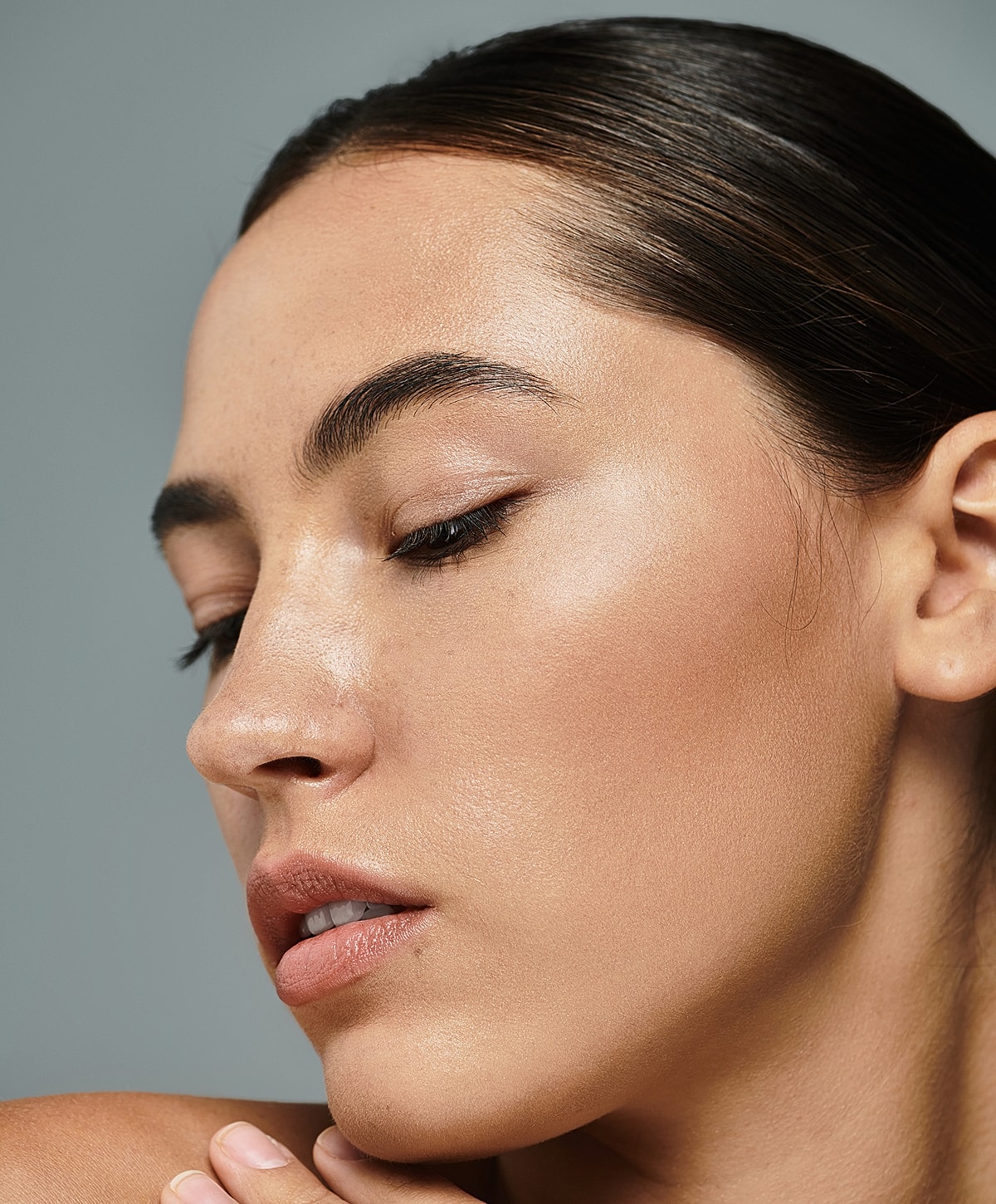
Close-up portrait of a woman’s face after Scottsdale chemical peel..

Finding Your Perfect Peel

Am I a Candidate for Chemical Peels?

Adults with dullness, uneven skin tone, acne, sun damage, mild scarring, or rough texture may be candidates for a chemical peel. Your provider will consider your skin type, natural skin color, current skin condition, medical history, recent sun exposure, and history of post-inflammatory hyperpigmentation. Active infections, open skin, an active cold sore, recent tanning, and certain medications may require treatment to be postponed.

Patients with darker skin tones can receive appropriately selected chemical peels. However, aggressive exfoliation can increase the risk of temporary or permanent pigment changes. Conservative treatment, careful preparation, provider experience, and consistent sun protection are particularly important. If a chemical peel isn’t the right choice for your concern, Blume offers other treatments that may provide a safer or more effective path.

Solid black background with no discernible features.

From Cleanse to Renewal

What Is the Chemical Peel Procedure Like?

Your appointment begins with an evaluation of your skin and a discussion of your goals. Your provider will review factors that could affect treatment, including recent sun exposure, current skincare products, medications, previous procedures, and your available recovery time.

The treatment area is cleansed to remove makeup, skincare, and surface oils. The chemical solution is then applied evenly using the method appropriate for that formula, such as gauze, a brush, or a cotton-tipped applicator. You may feel warmth, tingling, itching, or mild stinging as the solution works.

Your provider monitors your skin throughout the application. Some formulas require a neutralizing agent or removal after a specific period, while others are self-neutralizing. The entire appointment generally lasts between 30 and 60 minutes. Before you leave, you’ll receive instructions for cleansing, moisturizing, sun protection, and restarting your normal skincare routine.

Preparing for Your Chemical Peel

Tell your provider about your complete medical history, medications, supplements, allergies, and previous cosmetic treatments. You should also mention a personal or family history of unusual scarring or lasting pigment changes.

Let us know if you have had cold sores around your mouth or nose. A peel can reactivate the virus in some patients, so antiviral medication may be recommended. Retinoids, antibiotics, recent isotretinoin use, birth control pills, and medications that increase sun sensitivity can also affect treatment planning.

Avoid tanning and excessive sun exposure before your appointment. You may need to pause retinoids, exfoliating acids, scrubs, or other active products, but only according to your provider’s instructions.


Peeling, Healing, and Protecting Your Skin

Chemical Peel Recovery

Recovery depends on the intensity of your treatment. Light peels may cause mild redness, dryness, tightness, or fine flaking for a few days. Many patients return to their normal routine immediately, although active skincare products may need to be paused.

Medium peels cause more visible changes. The treated skin may become red, swollen, tight, or temporarily darker before peeling begins. Flaking usually starts within a few days and may continue for approximately five to ten days. More complete healing can take seven to fourteen days.

Deep peels involve substantially longer recovery. Peeling, crusting, swelling, discomfort, and prolonged redness may continue for several weeks and require close medical follow-up.

Proper aftercare helps your skin heal and lowers the risk of complications. Keep the treated skin moisturized with the bland emollient, ointment, or petroleum jelly recommended by your provider. Don’t pick, pull, or scrub peeling skin. Avoid heat, strenuous exercise, exfoliants, and irritating products until you’re cleared to resume them.

Use broad-spectrum sunscreen every day after a chemical peel and avoid direct sun exposure for several weeks. Your provider will tell you when you can wear makeup. Some patients can resume makeup shortly after a light peel, while medium-depth treatment may require waiting one to two weeks.

When You’ll See Your Glow

Chemical Peel Results

Your skin may initially appear pink, tight, shiny, or temporarily darker. Flaking develops as damaged cells shed. Once this process settles, the new skin underneath often looks brighter, clearer, and noticeably smoother.

A light peel may provide a refreshed appearance within a few days, but repeated treatments are often recommended for acne, pigmentation, or ongoing texture concerns. Medium peels can produce more visible improvement after the treated skin heals.

Daily sunscreen and an appropriate skincare routine help maintain your results. Continued sun exposure can create new damage and discoloration, even after a successful peel.

Scottsdale chemical peel model showcasing elegant jewelry and natural beauty.

Choosing the Right Kind of Resurfacing

Chemical Peels vs. Other Skin Treatments

A chemical peel is one of several ways to improve skin texture and tone. A Blume Custom Facial focuses on cleansing, hydration, and personalized surface care with little to no recovery. It may be a better choice when your skin needs replenishment rather than controlled peeling.

Microneedling encourages collagen remodeling and may be more appropriate for certain acne scars. Laser skin resurfacing uses targeted energy to address pigment, texture, and signs of aging at adjustable depths.

These treatments may be included in the same long-term plan, but they shouldn’t automatically be performed together. Your provider will recommend the right treatment and timing for your skin.

What Are the Risks of a Chemical Peel?

Common temporary effects include redness, swelling, tightness, dryness, itching, stinging, and flaking. Less common complications can include infection, cold sore reactivation, blistering, scarring, post-inflammatory hyperpigmentation, and temporary or permanent changes in skin color.

Deeper peels generally carry greater risks and require longer recovery. Accurate medical information, appropriate peel selection, and careful aftercare all help reduce the chance of complications.

Gallery

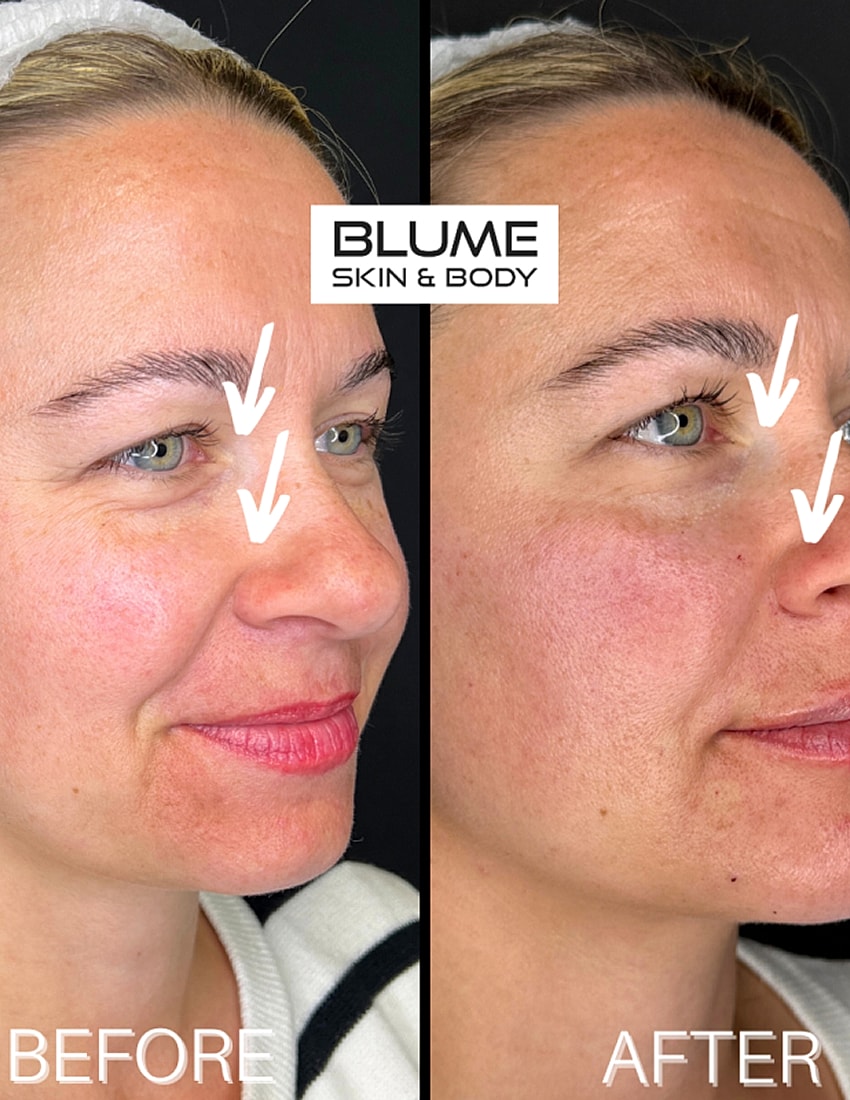
Before & After Photos

View Blume Skin & Body’s gallery to see examples of professional skin treatments. Chemical peel results vary according to the formula, treatment depth, starting skin condition, and number of sessions performed.

Facial treatment before and after results comparison.
Solid black background with no discernible features.

Boutique Care, Thoughtful Treatment

Why Choose Blume Skin & Body for Chemical Peels?

Blume Skin & Body has served Scottsdale and the greater Phoenix area since 2011. Every chemical peel begins with a conversation about your skin, lifestyle, and goals. Our providers customize the treatment rather than using the same solution and strength for every patient.

That individual planning is particularly important in Arizona, where intense sun exposure can affect treatment timing, recovery, and pigmentation. Our team combines professional treatments, medical-grade skincare, and attentive aftercare in a comfortable boutique environment. If another treatment is better suited to your skin, we’ll help you explore a more appropriate option.

Find Lasting Renewal

Schedule a Chemical Peel Consultation in Scottsdale

Meet with a Blume Skin & Body provider to discuss your skin, concerns, medical history, and available recovery time. We’ll recommend a suitable chemical peel or help you explore another treatment when it would better serve your goals.

It’s Time for You to Blume

Chemical Peel Frequently Asked Questions

You may feel warmth, tingling, itching, or stinging while the chemical solution is on your skin. Light peels are generally well tolerated. Medium and deep peels can feel more intense and may require additional comfort measures.

Light peels may be performed in a series spaced several weeks apart. Medium peels require more recovery and are performed less frequently. Your schedule will depend on peel depth, your skin’s response, and the concern being treated.

Makeup timing depends on how deeply the peel exfoliates. Some patients can wear makeup soon after a light peel, while a medium chemical peel may require waiting one to two weeks. Don’t apply makeup to raw, actively peeling, or irritated skin.

Appropriately selected peels can be safe for darker skin tones. Strong or poorly selected peels can increase the risk of post-inflammatory hyperpigmentation. Careful formula selection, preparation, and sun protection are essential.

Chemical peels may fit into a plan that includes facials, microneedling, injectables, or laser treatments. These procedures often need to be spaced apart to prevent excessive irritation and allow the skin to heal.

There is no single best chemical peel for everyone. The most suitable peel depends on your skin type, concern, pigmentation risk, medical history, and available recovery time. A consultation allows your provider to choose an appropriate formula and depth.

Not always. Superficial peels may cause only dryness or fine flaking. Medium and deep peels produce more visible shedding. The amount of peeling doesn’t necessarily determine the quality of your final result.

Avoid direct sun exposure throughout recovery and for several weeks afterward. Continue using broad-spectrum sunscreen every day once your provider approves it. This is especially important in Scottsdale, where intense UV exposure can contribute to irritation and uneven pigmentation.